
A LIVING INHERITANCE.
Built by faith and community
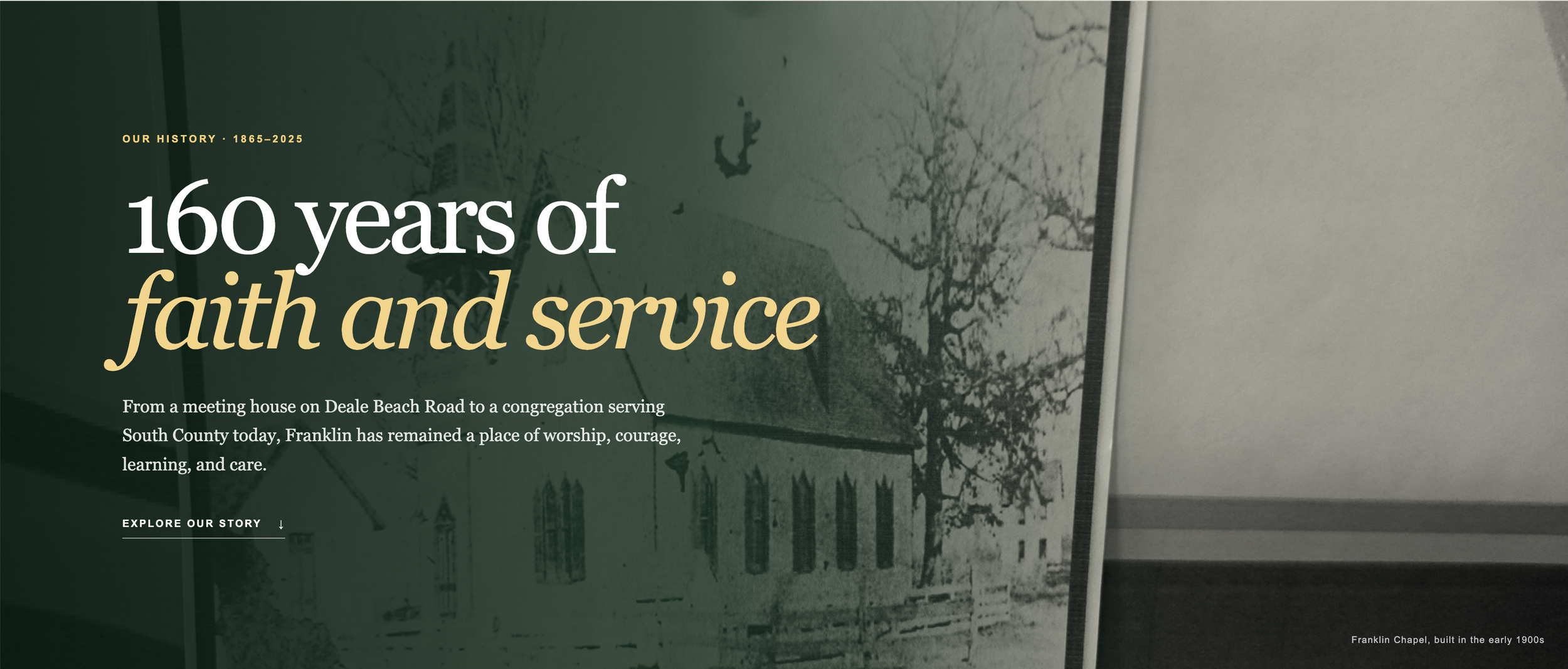
Franklin United Methodist Church grew from the determination of African American worshippers to gather, preach, and build a spiritual home of their own. For more than 160 years, Franklin has been a cornerstone for people committed to worshipping God and caring for one another.
Located in southern Anne Arundel County, about 17 miles south of Annapolis, the church’s story is inseparable from the families who built it, served it, and carried its ministry forward. Franklin’s first meeting house stood on Deale Beach Road on land that also became a school and burial ground. Generations of Franklin worshippers rest in the historic cemetery long known as Tanyard Cemetery.
161
Years of Ministry
47
Appointed Ministers
1842
Earliest Known Gravestone
One church, many names.
Our name changed.
Our calling remained.
Franklin Meeting House
Franklin African Methodist Episcopal Church
African Franklin Chapel Church
Franklin Methodist Episcopal Church
Franklin Memorial Methodist Church
Franklin United Methodist Church
Since 1968
Selected milestones.
From meeting house
to mission center
Each generation added to Franklin’s witness through worship, education, rebuilding, and service.
-
African American exhorters asked the Methodist ministers of the Baltimore Annual Conference for permission to gather and preach separately. Their request was denied, but their determination endured.
-
Benjamin Brown Sr. and other exhorters met in Calvert County to press again for churches where they could proclaim the Gospel in their own sanctuaries.
-
A group of worshippers gathered in the Franklin Meeting House near what are now Routes 468 and 256. The site served as a place of worship, a schoolhouse, and a burial ground.
-
The oldest gravestone identified in the historic cemetery bears the date 1842, preserving a tangible link to Franklin’s earliest community.
-
Shortly before Maryland emancipation, Bishop Levi Scott met with African American preachers at Sharp Street Church in Baltimore. Benjamin Brown Sr., Elijah Grissom, James Harper, and James Peck helped establish the conference that would appoint Franklin’s early pastors.
-
Conference notes listed Franklin with Adams Chapel, Mt. Zion, Carters, Sollers, and Union on the same charge. The Washington Conference sent Rev. James W. Ockermay to Franklin.
-
John T. and Julia A. Turner conveyed two acres to Franklin’s trustees so the African American community of the Swamp area could establish a schoolhouse.
-
On December 3, Benjamin Wells granted a parcel of land to the trustees of African Franklin Church for $24.
-
Trustees from Franklin, Carters, and St. Matthews received one acre for a parsonage. The three churches shared the $60 home while serving on the same charge.
-
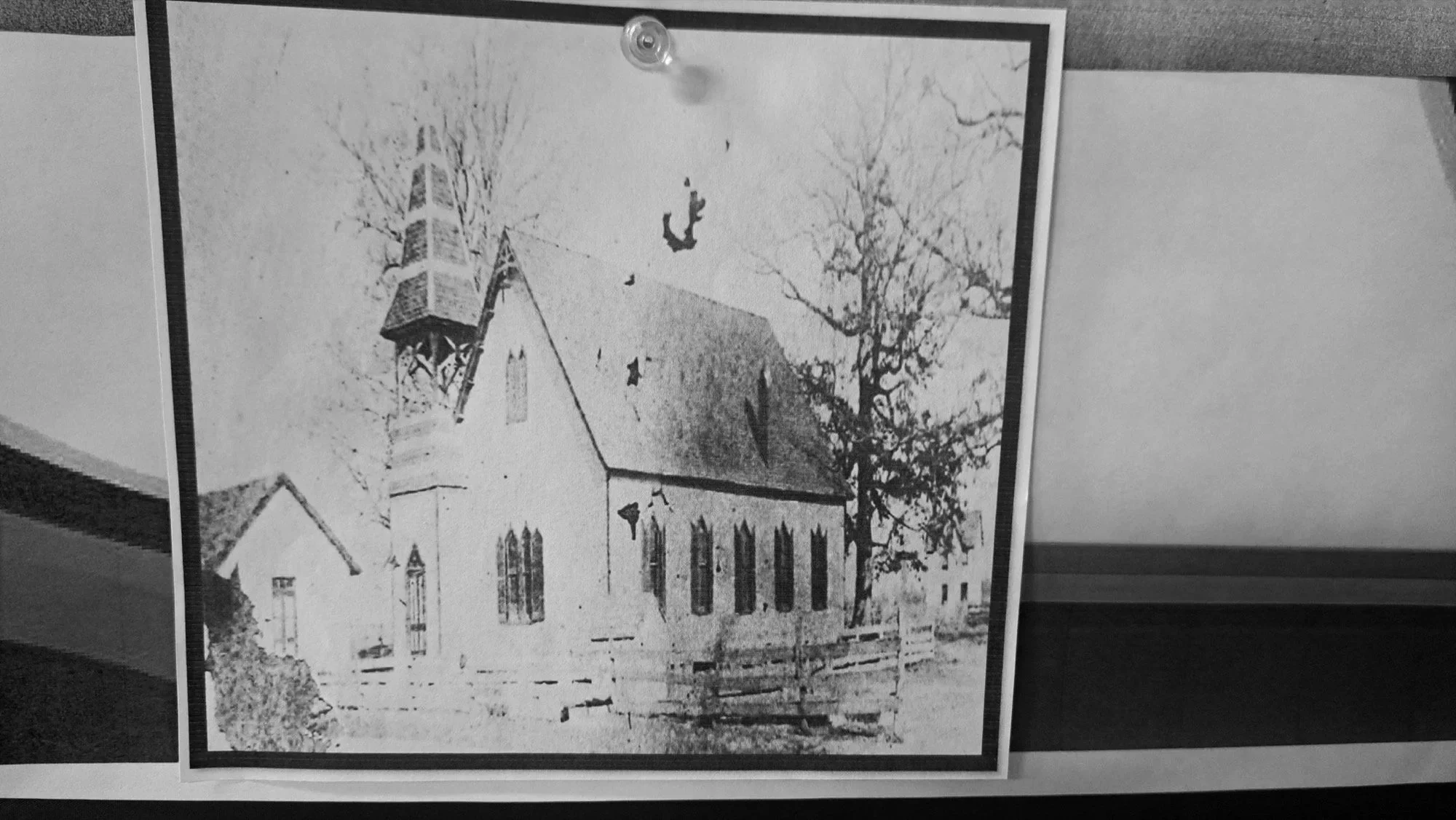
During Rev. James H. Jenkins’s tenure, contractor Richard Zackariah Younger built the second church for $2,200. The Washington Bee described it as one of the most beautiful churches in the Washington Conference.
-
Rev. Abraham T. Middleton served the Franklin–St. Matthews Charge for 14 years, the longest pastoral tenure in Franklin’s history. The congregation completed extensive interior repairs in 1944.
-
Rev. Rufus S. Abernethy Sr. revitalized Vacation Bible School. Rev. Charles Y. Trigg oversaw repairs to the roof and bell tower. During Rev. Walter H. Sewell’s tenure, Andrew Thompson added the educational and multipurpose room.
-
Rev. Richard T. Herbert encouraged the Records and History Ministry to publish the church’s story. The first edition of The Franklin Years appeared during his tenure, and Franklin joined the Annapolis District in 1975.
-
Rev. Eddie Smith organized the effort to replace the 1901 church. The old building came down in December 1986. Under Rev. George Stansbury, Franklin broke ground for a new sanctuary on June 30, 1990.
-
Rev. Diane Dixon-Proctor became Franklin’s first female pastor and led the congregation into its new sanctuary. In the years that followed, Franklin acquired a church van, became sole owner of the parsonage, served people experiencing homelessness in Washington, and published The Franklin Years, Part II.
-
Under Rev. Johnnie Washington, worship attendance grew and ministries for children, youth, and young adults were renewed. Franklin began its Summer Enrichment Camp in 2007. Rev. Eugene W. Matthews later introduced All Saints Sunday, churchwide Bible study, and a ministry of intergenerational sign language.
-
Rev. Alhassan Macaulay launched Franklin’s Food Pantry with the Risk-Taking Mission and Service Ministry in 2014. The monthly soup kitchen expanded the church’s care for South County. Franklin became debt free and celebrated with a mortgage-burning service.
-
Rev. Dr. Marvin R. Wamble led the Tri-City Charge through COVID-19 as worship moved online and later returned through rotating services. The food pantry and soup kitchen served more households, and an $18,000 grant supported restoration of Tanyard Cemetery.
-
Pastor Shirlette Boysaw has welcomed new members and confirmation classes while strengthening Franklin’s facilities and technology. Her tenure has included a new HVAC system, sanctuary monitors, parking-lot repairs, fellowship-hall seating, and completion of the cemetery restoration.
Tanyard Cemetery
Sacred ground,
faithfully preserved
Beside the site of Franklin’s original meeting house, the cemetery holds the remains of early congregants and founding families. Its oldest known marker dates to 1842.
Franklin’s trustees and Records and History Committee pursued a restoration grant through the Maryland Commission on African American History and Culture in partnership with the Maryland Historical Trust. The church received $18,000, and the restoration was completed during Pastor Shirlette Boysaw’s tenure.
Pastoral leadership.
Shepherds across the generations
From the first conference appointment in 1865 to the present, Franklin’s pastors have guided worship, encouraged education, rebuilt church homes, and widened the congregation’s service.
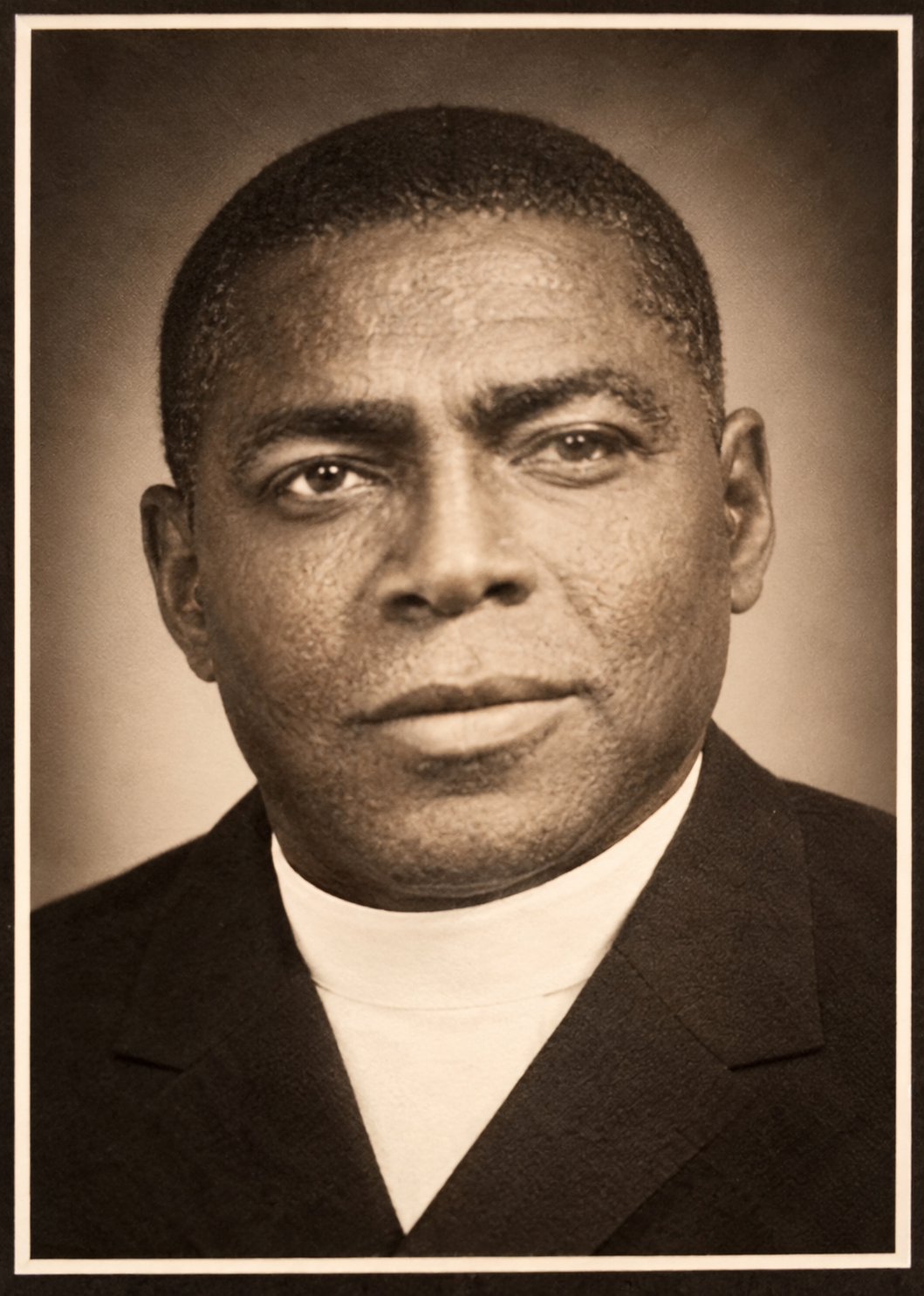
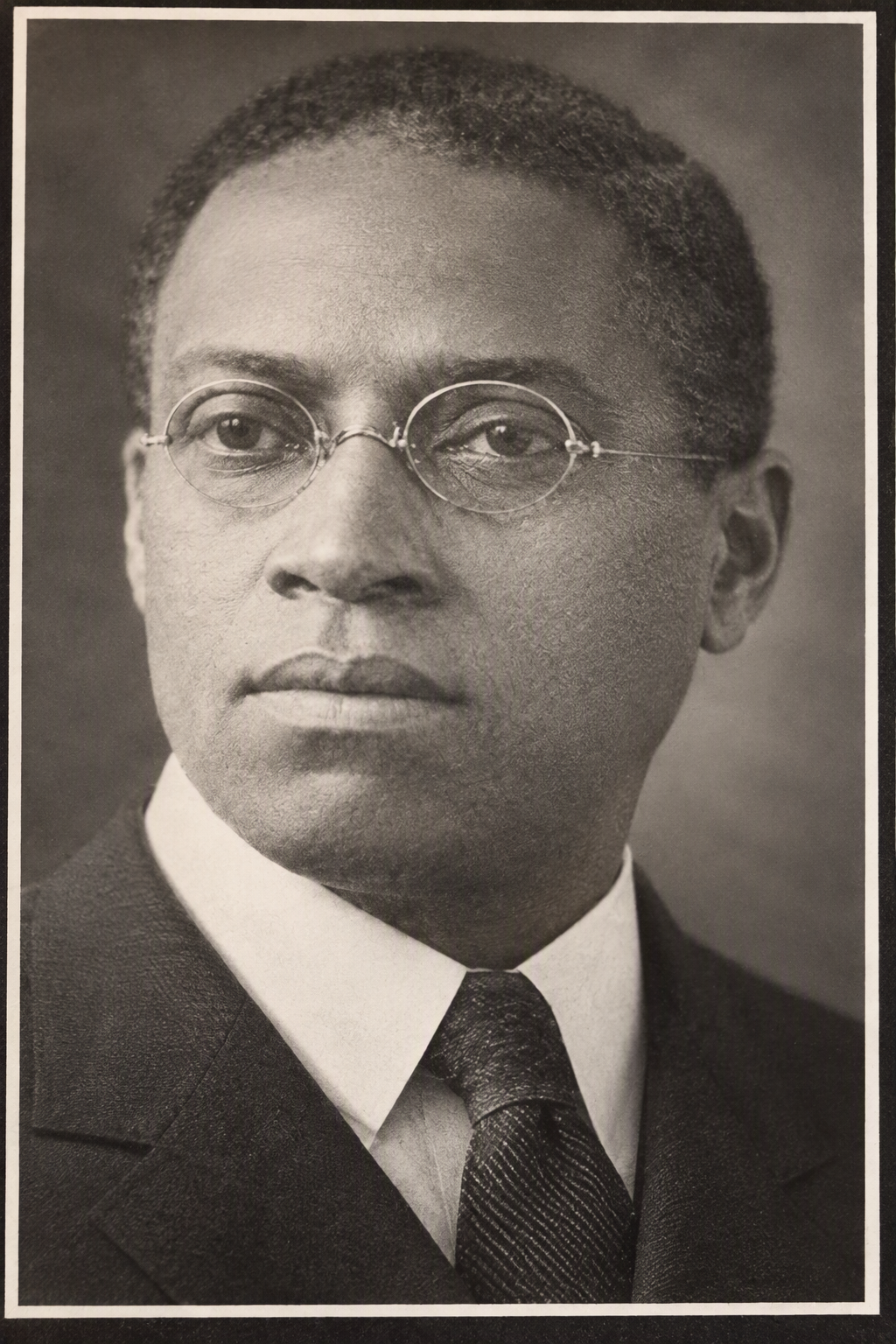
Rev. James H. Jenkins
1901–1906 · Dedicated the second church
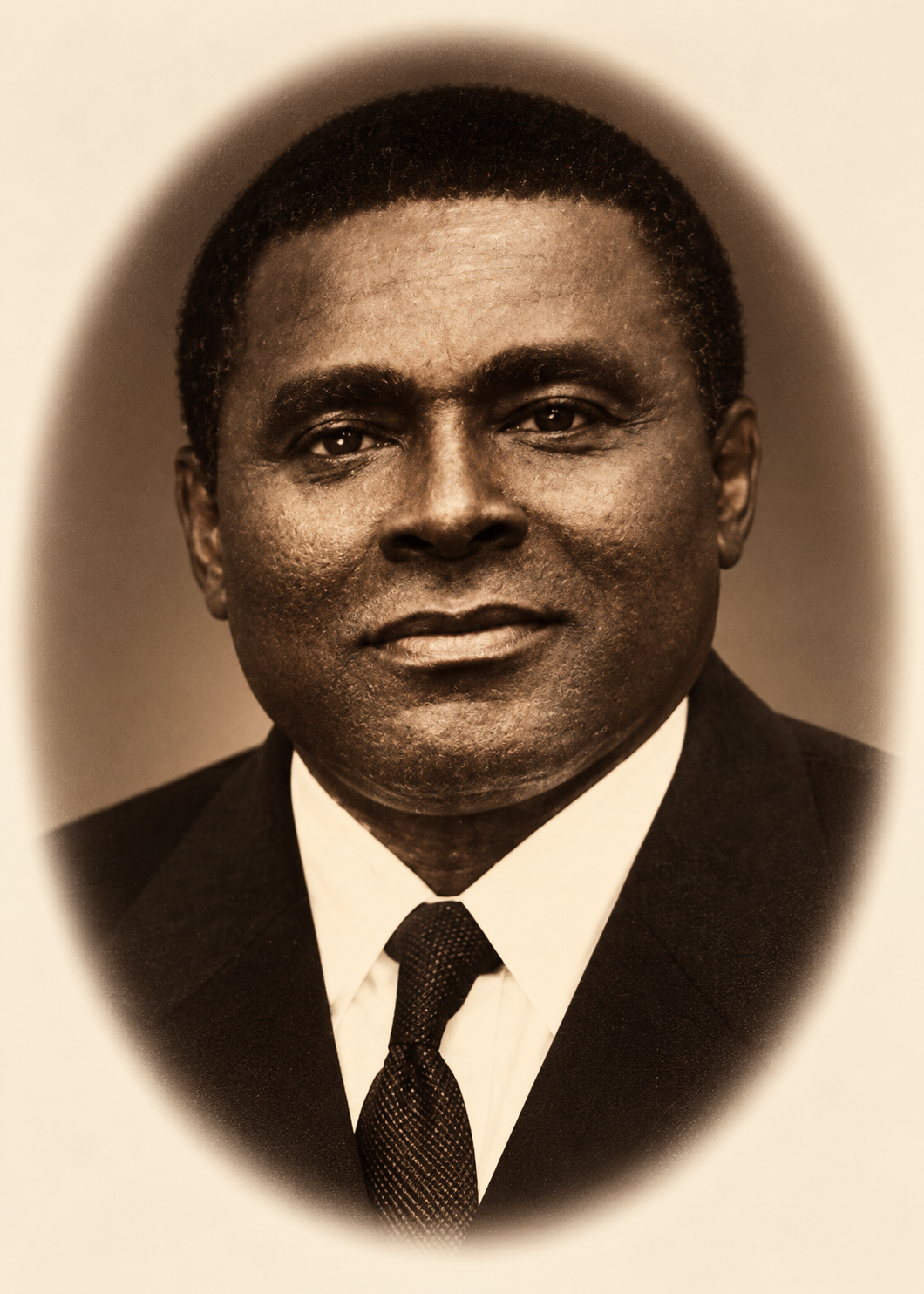
Rev. Wesley N. Holt
1906–1908 · Local resident and minister
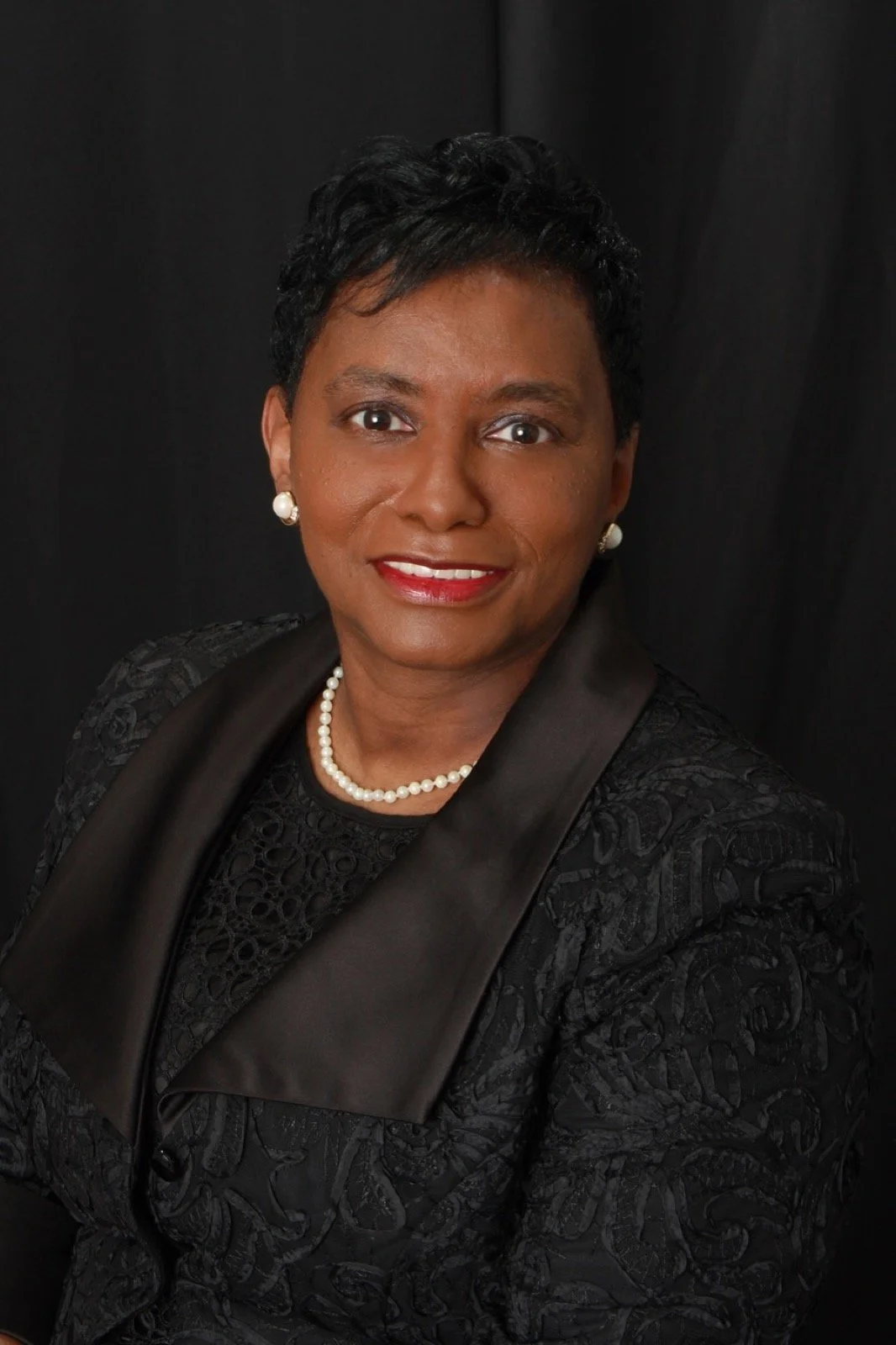
Rev. Benjamin Franklin Myers
1911–1912 · Born into slavery
Pastor Shirlette Boysaw
2022–Present · Franklin’s current pastor
-
James W. Ockermay
Henry Matthews
Lorenzo Snowden
Washington Lankford
Charles Walker
Daniel Wheeler
Daniel Aquilla
Joshua Barnes
Patrick Howard
Julius C. Love
John H. Moten
Charles H. Arnold
John W. Titus
James H. Jenkins
William N. Holt
Elijah Ayers
John W. Galloway
Benjamin F. Myers
Abraham H. Tilghman
Thomas P. Thomas
Ely L. Lofton
James L. Brown
James H. E. Carter
John J. Cecil
Clement C. Gill
Charles E. Jones
Samuel T. Collins
William B. Minor
Walter E. Williams
Martin L. McKenney
Abraham T. Middleton
Rufus S. Abernethy Sr.
Charles Y. Trigg
Walter H. Sewell
Richard T. Herbert
Eddie Smith
George A. Stansbury
Charles M. Walker
Diane Dixon-Proctor
Jimmie L. Ward
Adrienne Terry
Johnnie Washington
Ann Parker-Offer
Eugene W. Matthews
Alhassan Macaulay
Marvin R. Wamble
Shirlette Boysaw
Faith in action
A legacy measured in lives served
Food and fellowship
Franklin’s food pantry and soup kitchen have brought the church together with the Maryland Food Bank, local farms, businesses, and neighbors to serve South County households.
Worship for every season
From All Saints observances and liturgical dance to sign language ministry, Franklin continues to find meaningful ways for every generation to participate in worship.
Food and fellowship
Franklin’s food pantry and soup kitchen have brought the church together with the Maryland Food Bank, local farms, businesses, and neighbors to serve South County households.
Open doors
Outreach in Washington, worship at the South County Rehabilitation Center, and adaptive ministry during COVID-19 have carried Franklin’s care beyond the sanctuary.
“The generation of the upright
will be blessed.”
Psalm 112:2
We honor those who built before us by continuing their work: welcoming neighbors, nurturing faith, and sharing the saving grace of Jesus Christ.